48-Hour Strike Paralyzes San Francisco de Macorís Under Military Surveillance
SFM and Salcedo wake up militarized during strike days demanding public works and basic services.
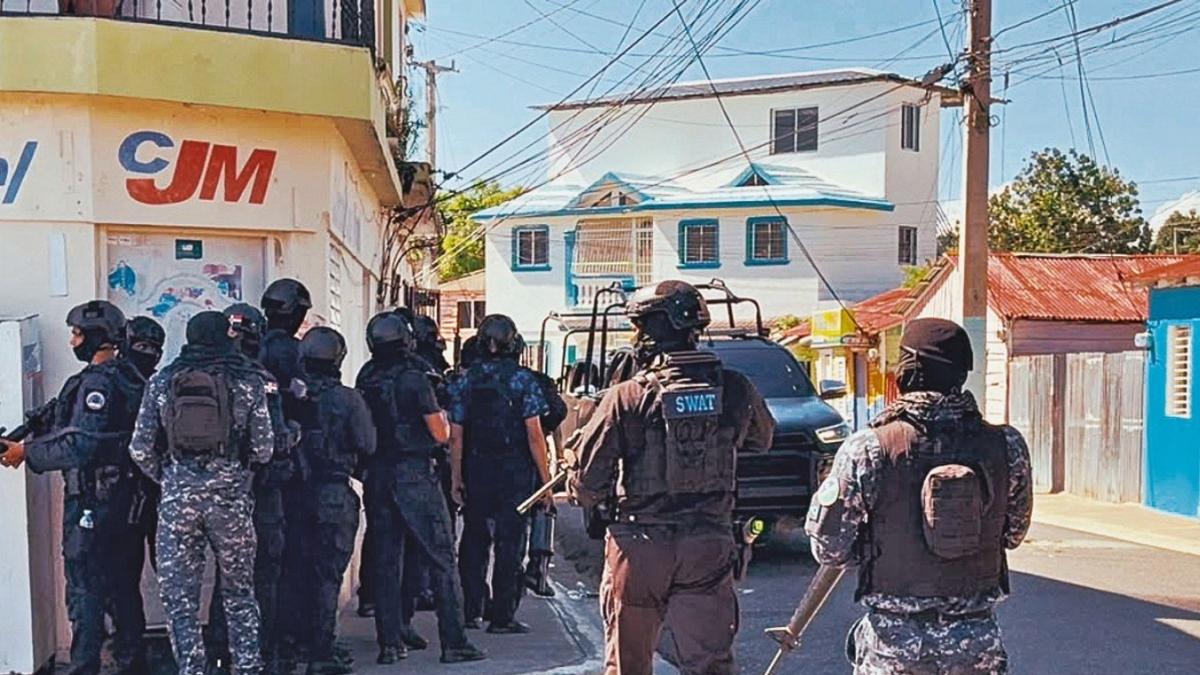
A heavy deployment of military and police surprised the inhabitants of San Francisco de Macorís and Salcedo yesterday, amidst protest actions taking place in both towns in the Cibao region to demand urgent responses from the authorities to various accumulated needs.
Back in our beloved San Francisco, the call for a 48-hour work stoppage completely paralyzed transportation and commercial activities by a very high percentage. Likewise, public and private schools suspended classes during the first day of this round of demands.
The organizers, led by José Mercado as a representative of grassroots groups, explained that the citizenry is demanding drinking water supplies, paving of streets, construction of sidewalks and curbs, and the reactivation of the Mamá Tingó community center, which has been stalled for two years. They also denounced the constant blackouts affecting local colmados and businesses despite high electricity bills.
Added to these demands are the high cost of living, the steep price of fuel that keeps transportation paralyzed, and the situation of the municipal market, which remains amidst rubble and garbage a year after suffering a fire. The organizers criticized the authorities for closing commercial establishments for health reasons while the municipal market continues in unsanitary conditions.
Meanwhile, in the Hermanas Mirabal province, the Coalition of Popular Movements of Salcedo maintained its own 48-hour strike with an estimated ninety percent business support. Their spokesperson, Héctor Bloise, reported the launching of tear gas canisters and gunshots in the neighborhoods, affecting children and the elderly, and demanded the construction of the La Caoba bridge, promised five years ago, in addition to improvements in the sewage system and the Palmarito road.
For our people from San Francisco de Macorís and the Duarte province living in New York and other corners of the United States, seeing our town plunged into protests and surrounded by uniformed officers hurts deep in the soul. We always carry our homeland in our hearts and we are deeply concerned when basic needs, like water and decent streets, remain unresolved for the families we left behind there.
It is worth keeping a close eye on how these conversations evolve and whether the authorities finally respond to the community demands for unfinished public works and fair services. Let's stay united and attentive to what happens in our suffering and beloved homeland of San Francisco.